
Optimizing the formulation of waterborne bio-based anti-corrosion coatings is a key approach to improving adhesion.
In the traditional paint industry, emulsions, as key additives, have long relied on petroleum-derived surfactants. Their raw material sources are not only limited by the non-renewable nature of fossil resources, but also impose a significant environmental
Against the backdrop of global efforts to address climate change and promote green transformation, the chemical industry is undergoing a profound raw material revolution.
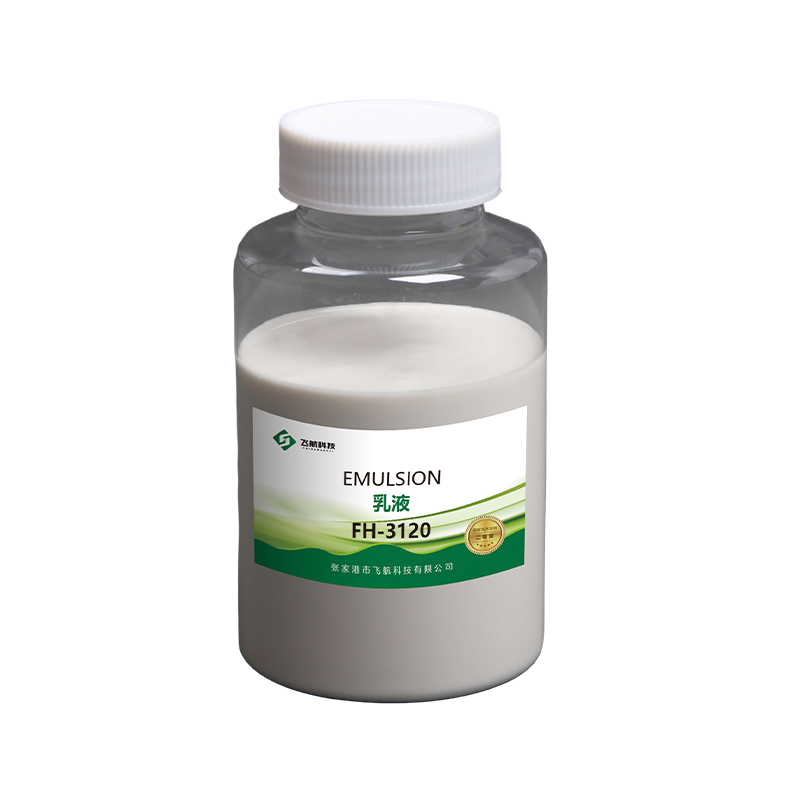
Emulsions based on renewable resources have evolved from a traditional "auxiliary role" to a "performance engine" for green, high-performance anti-corrosion coatings.
With the global consensus on addressing climate change and promoting sustainable development, the "carbon footprint" of materials has become an important benchmark for measuring their environmental value.
In modern building structures, adhesives are no longer simply auxiliary materials; they become "invisible structural components" that undertake critical connection and load-bearing functions.