

News

News

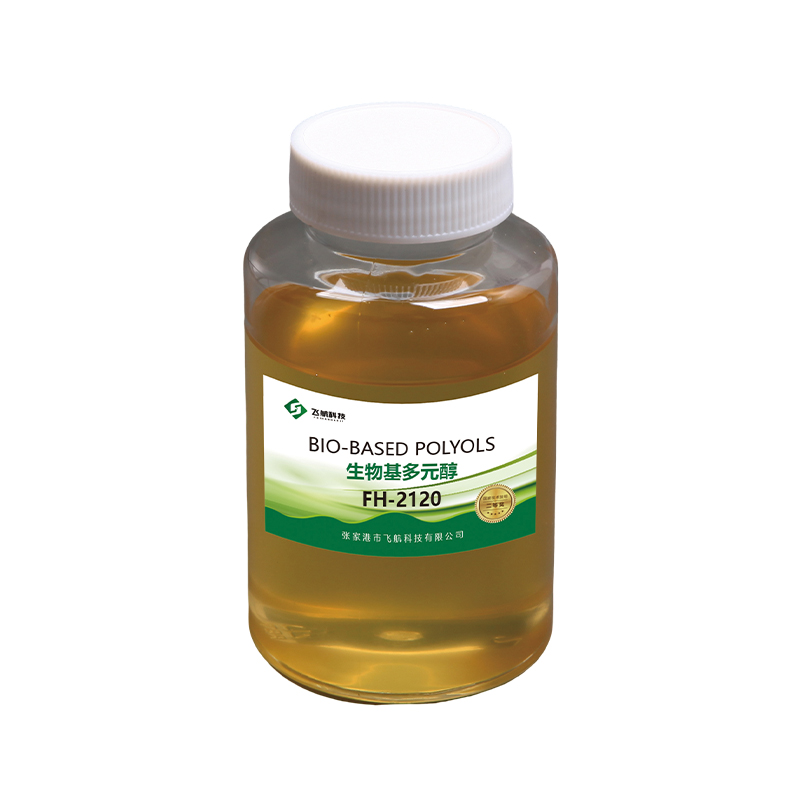
How do bio-based polyols improve the elasticity and resilience of materials?

How do bio-based polyols improve the elasticity and resilience of materials?

2026-03-24

As a new generation of green chemical raw materials, bio-based polyols are gradually replacing traditional petroleum-based polyols in materials such as polyurethane.

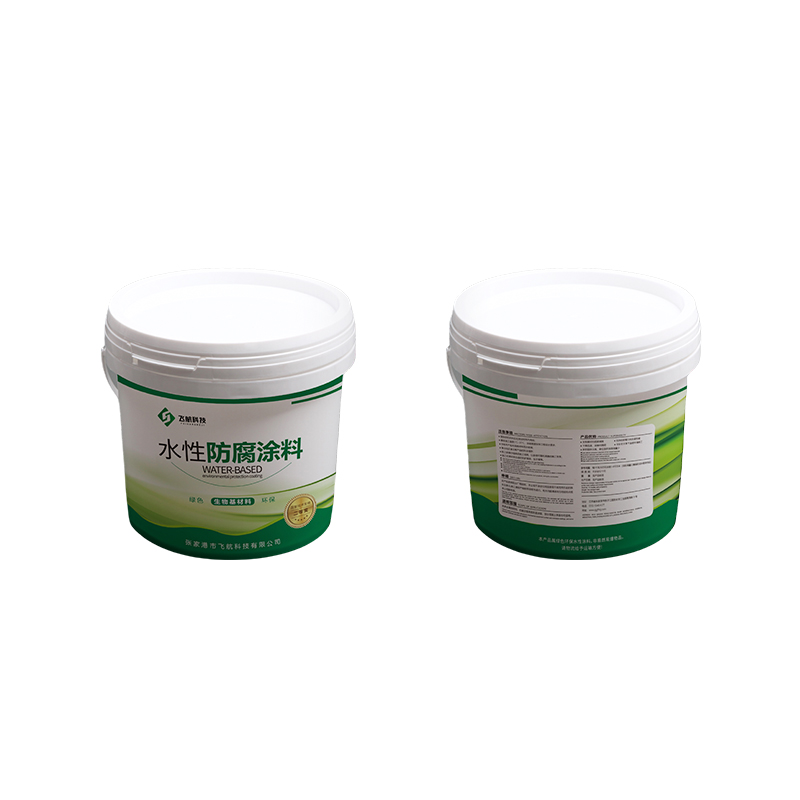
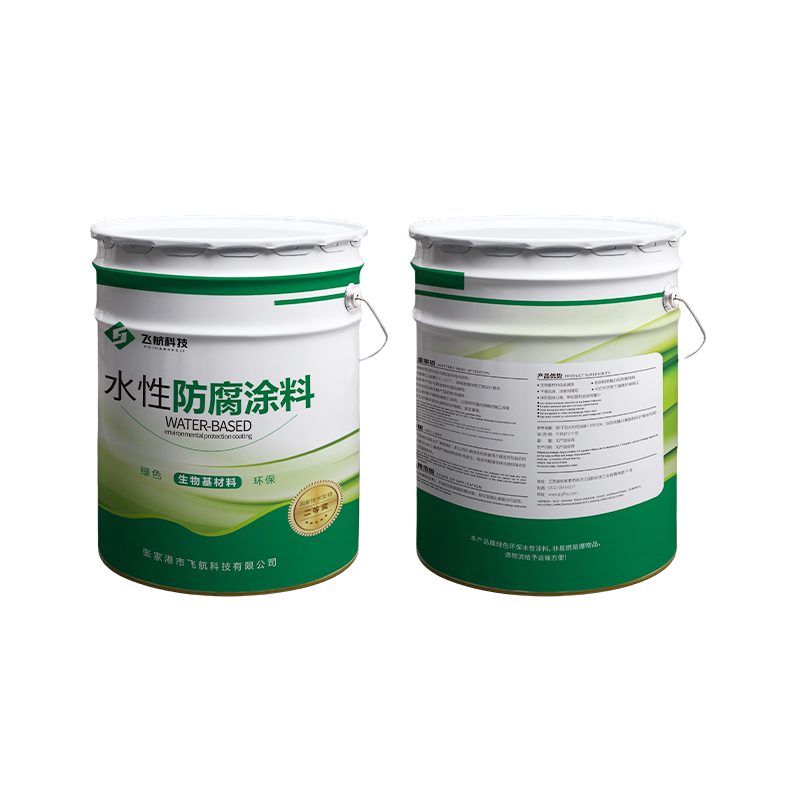
How do waterborne bio-based anti-corrosion coatings improve corrosion resistance in metal structure protection using bio-based resins?

How do waterborne bio-based anti-corrosion coatings improve corrosion resistance in metal structure protection using bio-based resins?

2026-03-10

Waterborne bio-based anti-corrosion coatings have gained increasing attention due to their environmental friendliness and renewable properties. In this coating system, bio-based resins, as a core component, play a crucial role in enhancing the coating's c

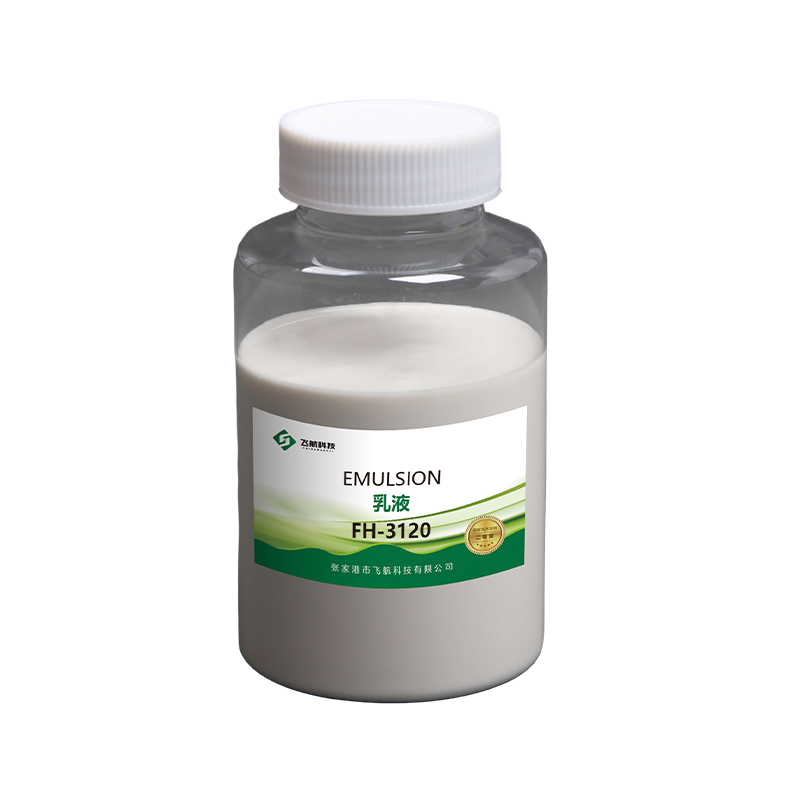
How can emulsion substrates drive a green revolution in waterborne coatings using renewable bio-resources?

How can emulsion substrates drive a green revolution in waterborne coatings using renewable bio-resources?

2026-02-25

While traditional petroleum-based emulsions have mature processes, their dependence on fossil resources and high carbon emissions during production make them difficult to meet increasingly stringent environmental standards.

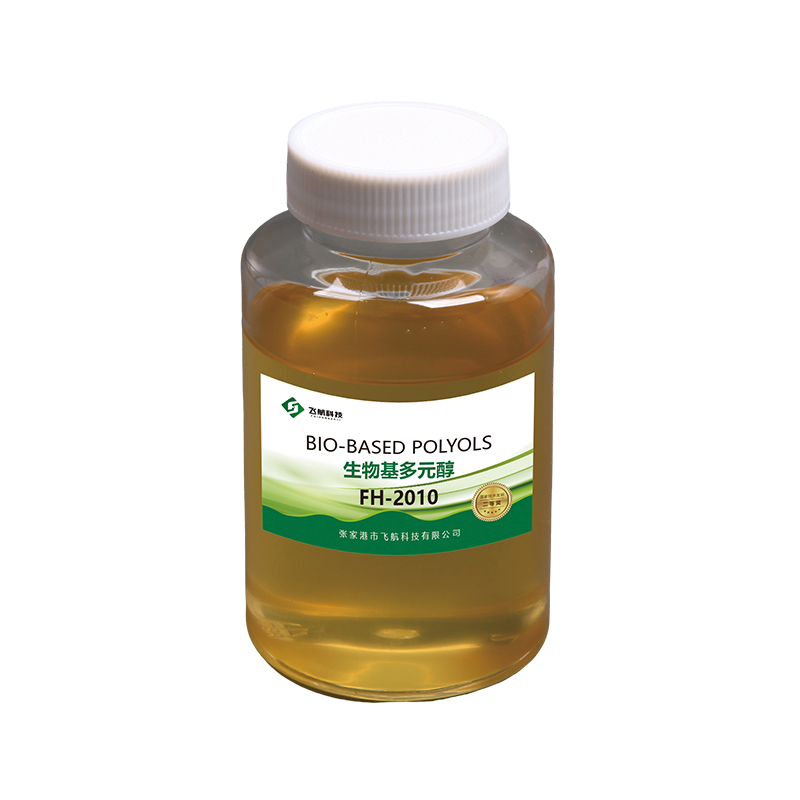
Does the improvement in low-temperature elasticity of bio-based polyols depend on a specific rigid diol structure?

Does the improvement in low-temperature elasticity of bio-based polyols depend on a specific rigid diol structure?

2026-02-11

Modification techniques such as transesterification, ozone decomposition, or thiol-double bond click reaction can be used to precisely control the type and content of rigid diols.

How can the compatibility between bio-based resins and inorganic fillers be improved in waterborne bio-based anti-corrosion coatings?

How can the compatibility between bio-based resins and inorganic fillers be improved in waterborne bio-based anti-corrosion coatings?

2026-01-27

In waterborne bio-based anti-corrosion coatings, the compatibility between bio-based resins and inorganic fillers is a key factor affecting coating performance.

How can bio-based polyols improve the environmental performance of slow-rebound polyurethane foam without sacrificing its comfort and resilience?

How can bio-based polyols improve the environmental performance of slow-rebound polyurethane foam without sacrificing its comfort and resilience?

2026-01-13

In the wave of green consumption and sustainable manufacturing, slow-rebound polyurethane foam, as a core material for mattresses, car seats, headrests, and medical protective gear, is undergoing a profound transformation from "petroleum-dependent" to "bi

×

Contact Us

captcha